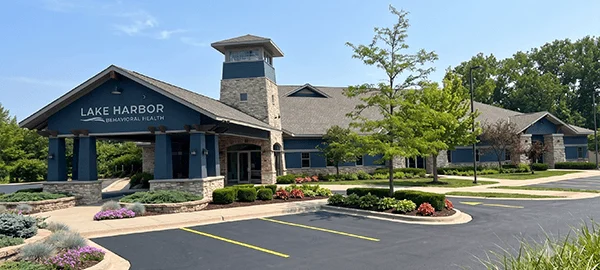
Inpatient Mental Health Treatment in Gurnee, Illinois
Structured, physician-led inpatient care for adults facing mental health disorders — combining psychiatry, evidence-based therapy, and 24/7 clinical support just north of Chicago.
A Place to Stabilize, Reset, and Rebuild
Inpatient mental health treatment means living at our facility while you receive focused, around-the-clock care. For many people, it's the step that finally works — when symptoms have become too heavy to manage at home, when outpatient therapy alone hasn't been enough, or when medications need close supervision to get right.
At Lake Harbor, your days are structured around healing: individual therapy, group sessions, psychiatric care, and time to rest in a private, restorative environment. Our team approaches every diagnosis from a trauma-informed perspective — we work to address the root cause driving your symptoms, not just the symptoms themselves.
You don't need a referral to call, and you don't need a history of substance use to be admitted. If a hospital or doctor has referred you, we'll coordinate with them directly.

When Inpatient Treatment Makes Sense
Symptoms Are Escalating
Depression, anxiety, mood swings, or intrusive thoughts have grown beyond what you can manage day to day.
Outpatient Isn't Enough
Weekly therapy or medication alone hasn't brought relief, and you need more structure and support.
You Need Stabilization
A crisis, a hospital stay, or a new diagnosis calls for close clinical care while you regain your footing.
Medications Need Supervision
Starting, changing, or balancing psychiatric medications is safer and faster with 24/7 medical oversight.
If you or a loved one is in immediate danger, call 911 or the 988 Suicide & Crisis Lifeline. For everything else, our admissions team can help you figure out the right level of care — even if it isn't with us.
What Your Care Includes
Psychiatry & Medication Management
Physician-led psychiatric care with regular evaluation and careful medication management throughout your stay.
Individual Therapy
One-on-one sessions with your dedicated therapist, using evidence-based approaches matched to your diagnosis.
Group Therapy & Education
Daily group sessions where you build coping skills, learn about your condition, and heal alongside others.
24/7 Nursing Support
Clinical staff on-site around the clock, so help is always steps away — day or night.
Discharge & Aftercare Planning
From day one we plan your transition home — connecting you with outpatient providers and ongoing support.
Family Involvement
With your consent, we keep your loved ones informed and involved — healing is easier with support behind you.
Inpatient Stabilization & Treatment For
Depression
When depression deepens to the point where getting through the day feels impossible — and weekly therapy or medication hasn't lifted it — inpatient care provides the reset that outpatient treatment can't. We stabilize symptoms, evaluate and adjust medications under daily psychiatric supervision, and use evidence-based therapy to address what's underneath the depression, so relief lasts beyond your stay.
Anxiety Disorders
Generalized anxiety, panic disorder, and severe phobias can shrink life down until work, relationships, and even leaving home feel unmanageable. Our inpatient program interrupts that spiral: a calm, structured environment where you learn to understand your anxiety, build practical coping skills in daily therapy, and find the right medication support without the pressures that feed the cycle.
PTSD
Trauma-informed care isn't a specialty add-on at Lake Harbor — it's the foundation of how we treat everything. For post-traumatic stress disorder, that means safety and stabilization come first: a secure environment, clinicians trained in trauma response, and a pace of treatment you control. We help you process what happened without being retraumatized by the treatment itself.
Bipolar Disorder
Bipolar disorder often needs inpatient care at the moments that matter most — during a manic or depressive episode, or when medications need rebalancing. With 24/7 monitoring, our team can observe how you actually respond to medication adjustments in real time, stabilize the current episode, and build a maintenance plan designed to keep you steady after discharge.
Borderline Personality Disorder
BPD is treatable — despite what many people have been told. Our program focuses on emotional regulation and distress tolerance skills, delivered in a consistent, validating environment where intense emotions are met with steadiness rather than judgment. Inpatient care provides stabilization during crisis periods and a foundation of skills to carry into long-term outpatient work.
Obsessive-Compulsive Disorder
When intrusive thoughts and compulsions begin consuming hours of every day, outpatient sessions once a week often can't keep up. Inpatient treatment lets you work on OCD intensively — with therapeutic support available in the moments obsessions actually strike, not just at your next appointment — while psychiatric care addresses the anxiety driving the cycle.
Psychosis
Psychosis — whether a first episode or a recurrence — calls for prompt, compassionate inpatient care. Our physician-led team provides careful medication stabilization, a low-stress and predictable environment, and support grounded in dignity and respect. Early, effective treatment makes a real difference in long-term outcomes, and we work closely with families throughout.
Eating Disorders
Eating disorders are serious mental health conditions that affect both mind and body, which is why treatment requires medical monitoring alongside psychiatric and therapeutic care. Our team addresses the emotional roots of the disorder in a supportive, structured environment. Call our admissions team to talk through your situation — we'll help determine whether our program is the right fit for your needs.
Attachment Disorders
Difficulty forming and keeping close relationships often traces back to early relational trauma. Our trauma-informed approach is well-suited to attachment work: therapy focused on understanding the patterns that formed for good reason but no longer serve you, practiced within a treatment environment built on consistency and trust.
When Substance Use Is Part of the Picture
Mental health disorders and substance use often overlap — each one feeding the other. Treating only one side rarely works. Our dual diagnosis program treats both conditions together, with one specialized team and one integrated plan, because both deserve to be fully understood.

Talk to a Real Person. Today.
Our admissions team is available 24/7. One confidential call — we'll answer your questions, verify your insurance, and help you take the next step.
(833) 338-6946Confidential. No obligation. Available 24/7.